




Guide (Educator)

Guide kids to be competent and capable in real outdoor skills and hands-on crafts.
- Pay: $21.50–$23.50/hour
- Cert Pay Bumps: WFA, CDL & more
- Training - First Year: June 15-16, 2026
- Training - All Staff: June 17-19, 2026
- 18+ years old, 1+ year relevant exp
Guide (Educator)
NOW HIRING:
Program Guide School Year or Summer Seasonal
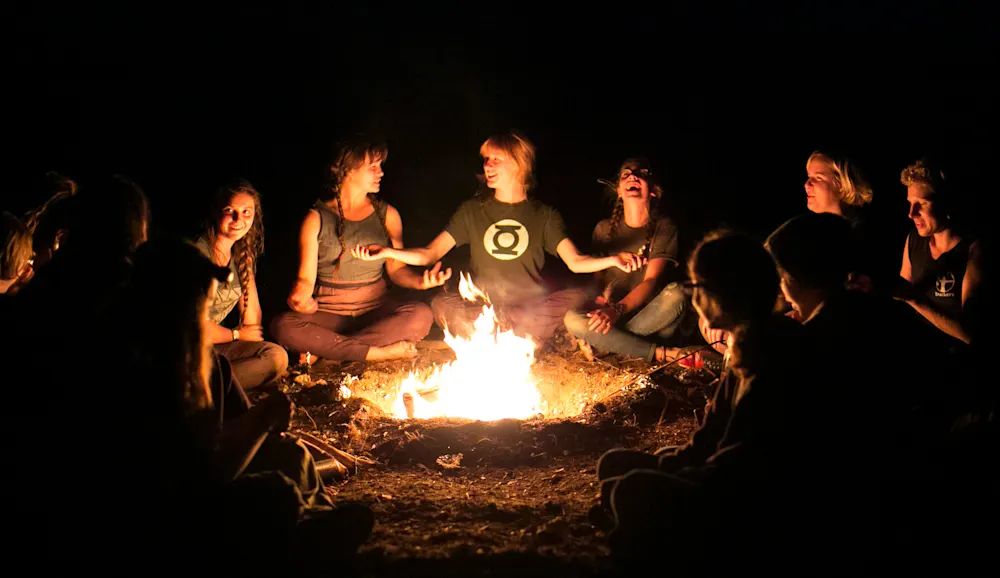
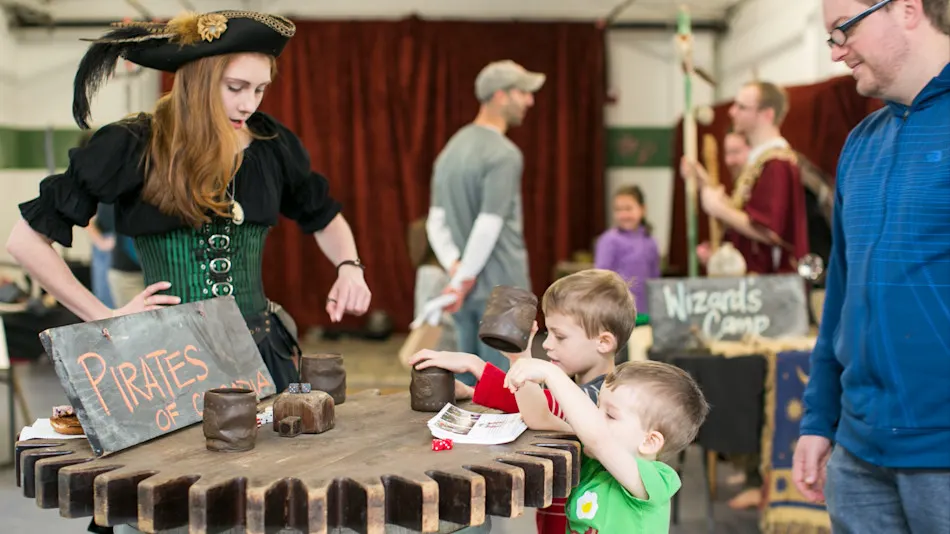
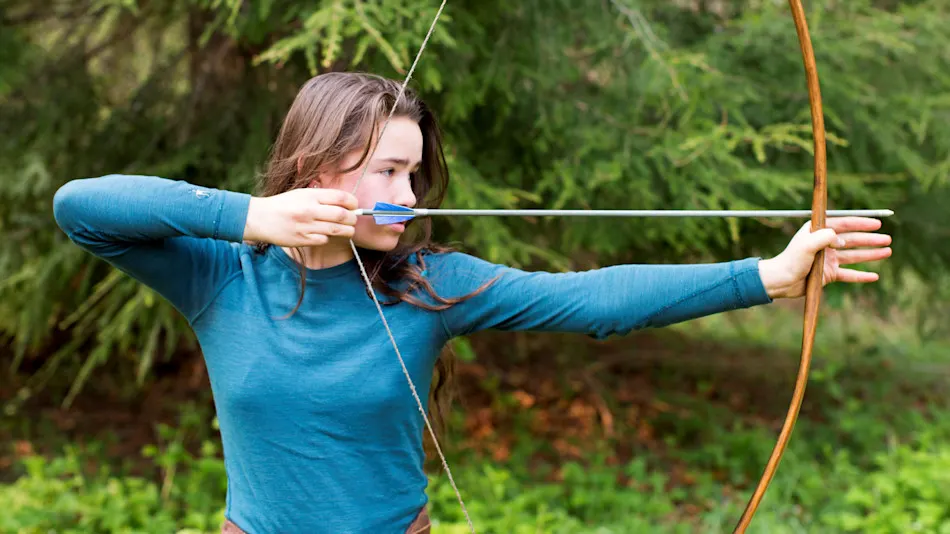
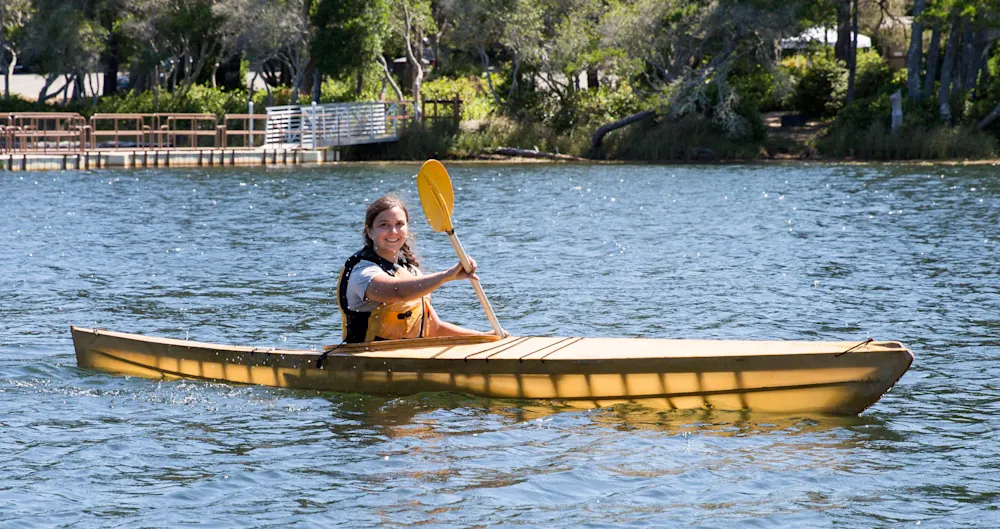
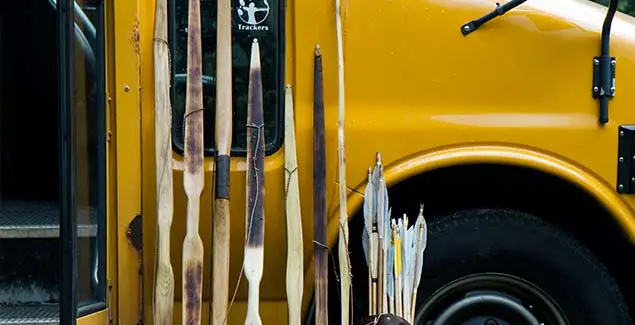
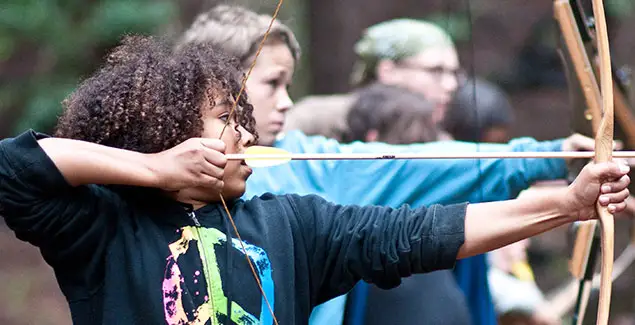
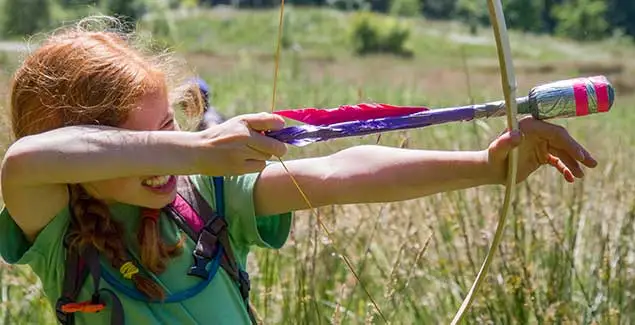
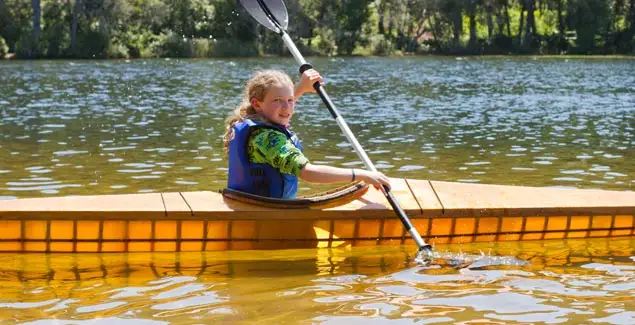
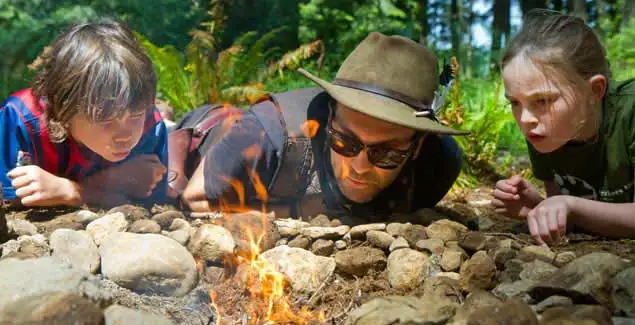
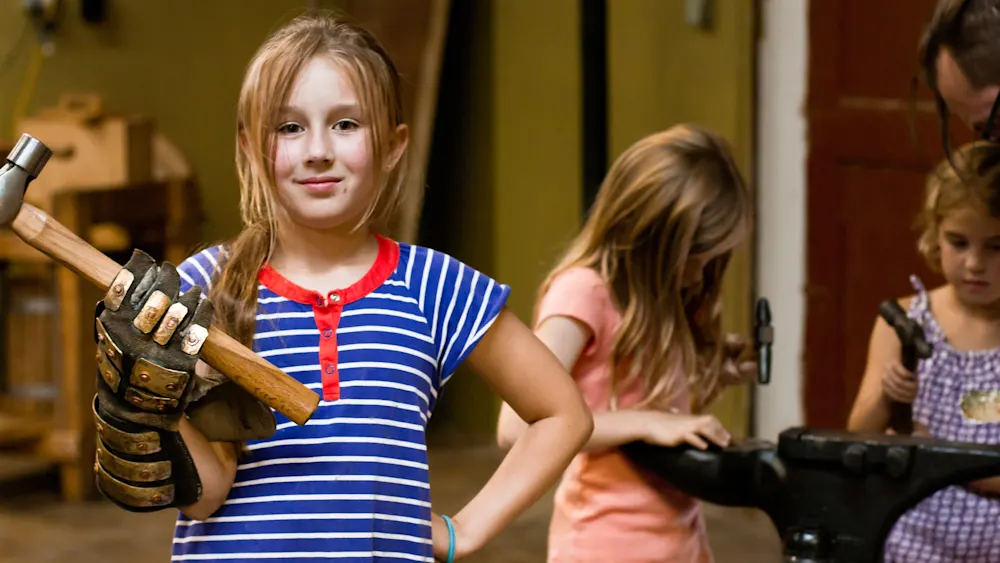
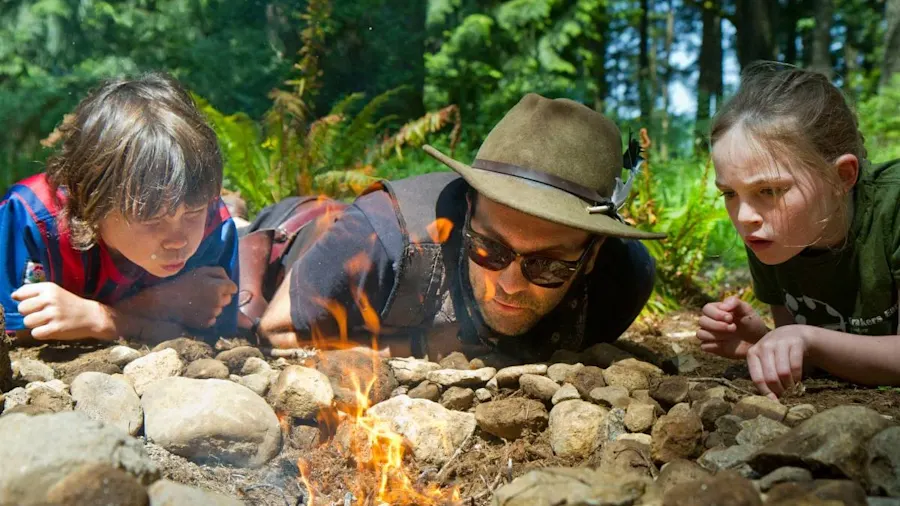
As a Guide with Trackers, you lead kids on incredible adventures in one of the most innovative outdoor education programs. Join a once-in-a-lifetime chance to teach in award-winning camps where old school skills meet serious standards. You run your own group teaching wilderness survival, tracking, archery, boating, farm craft, blacksmithing, woodcraft, ceramics, story immersion adventures, and more.
We are an action-packed, fast-paced outdoor program unlike any other. We value competence-building field education where kids earn confidence learning through adventure and challenge. Trackers operates with clear safety systems, time-tested procedures, and an intelligent camp ecosystem few organizations match—the kind of strong container where serious practitioners thrive.
Who You Are
You hold safety and standards in the field, run your group independently, teach skills with depth, and build team culture where kids become capable through competence and belonging. This role demands situational awareness, educational craft, and the ability to keep both grit and wonder alive while owning your group's safety, learning, and flow from morning to pickup.
If you're ready to join one of the Best Camps in the Known Universe—a crew where connection, independence, competency, and field judgment are valued, where everyone is leveling up in their craft, and where your ability to teach by doing and lead with kind command presence will be put to meaningful use—you can find your people here.
Skills & Experience
- Youth education: 1+ years leading youth in camps, outdoor programs, education, coaching, or similar dynamic settings
- Teaching skill: A real skill base in outdoor, craft, or teaching lanes. You practice regularly and can break down technique for others
- Situational judgment: You notice conditions early, adjust plans when needed, and keep the group regulated
- Systems alignment: You value clear standards and operate inside them. Safety, procedures, and culture matter to you
Successful Trackers Guides come from diverse backgrounds that value situational awareness, quick thinking, and adaptability, including search and rescue, restaurant management, middle school teaching, scouting, and outdoor guiding. We share DNA with many worlds, but our focus is simple: kids build independence through competence, community, and time outdoors.
What You’re Responsible For
- Safety: Maintain constant awareness of students, activity, and site conditions. Hold clear boundaries, enforce safety practices, and make timely field calls that keep the group safe and found.
- Operations: Keep the day moving with clean transitions, clear communication, and strong schedule flow. Maintain rosters and key details, stage and care for gear, and keep your group ready for what’s next.
- Stewardship: Keep students healthy, regulated, and supported. Care for sites and tools, maintain cleanliness and nourishment routines, and mentor behavior using Trackers child and group management standards.
- Leadership: Teach real skills in compelling ways and build team culture with purpose. Use Trackers lore and shared language as tools for learning, and train students to take on roles and responsibilities so the team becomes more capable and self-directed.
Kids Run Camp
At Trackers, we build independence through shared service, not free play. Your core responsibility is helping kids step into commitment and leadership by gradually handing off real duties such as contributing to the team, supporting younger students, caring for gear and places, and owning core routines. You set the standard, coach the skills, and guide them into meaningful roles.
Schedule & Program Structure
- Teaching Weeks: June 22 – August 28, 2026 (typically Mon–Fri)
- Training Required for Placement:
- First Year - Trackers 101: June 15-16, 2026
- All Staff - Trackers 102: June 17-19, 2026
- Hours: ~7.5 hours on scheduled program days
Pay & Compensation
- Hourly Pay: $21.50–$23.50/hour
- Applies to school-year, seasonal break, and summer roles
- Hourly pay is set within the above range based on approved add-ons — View Pay Rubric →
- Training Pay: Training is paid at local minimum wage; add-ons do not apply during training
Physical Readiness
This is a hands-on role. Physical demands vary by program assignment. Reasonable accommodations may be available for qualified individuals.
Adventure - Outdoors
- Lift, carry, and pack up to 50 lbs; hike 10–20 miles in a day as needed across uneven, off-trail terrain while supervising youth (you’ll get your steps in)
- Supervise safely in outdoor conditions: heat, cold, rain, and snow; operate in heat index up to 104°F and AQI 69–150 with modified breaks and activity levels as needed
- Arrive prepared for the outdoor environment with insulated and waterproof outdoor clothing and footwear appropriate to environmental conditions
- Ride transport with students via van/bus as assigned, including extended rides in noisy vehicle cabins
Required Certifications
- CPR & First Aid (or ability to obtain before start)
- Emergency allergy response training
- Mandated Reporter Training (Oregon; 18+)
Additional Requirements
- Background check + references
- Valid driver’s license held 2+ years (for driving assignments)
- Complete required Trackers trainings (paid)
- Program Dependent: Food Handler’s Permit (food prep) + Fishing License (fishing programs)
Driving & CDL - Optional + Pay Bump
- Optional: Optional for Guides—may expand placement and scheduling priority.
- Pay Bump: CDL Class B + Passenger Endorsement qualifies — View Pay Rubric →
- Eligibility: 21+ years, Valid U.S. driver’s license, Clean MVR (past 3 years; no major violations)
How to Apply
Apply early and note your availability and interests (school-year, seasonal breaks, summer). Qualified applicants may be placed on an on-deck list for upcoming openings. Employment is at-will, and this posting is not a contract.
Mutual Fit Period: All new hires—including seasonal transitions—begin with a 90-day mutual fit period for onboarding, training, feedback, and clear shared expectations.
Coordinator Guide (Manager)

Coordinate and guide teams of staff and kids in meaningful connection with nature.
- Pay: $1542/week, CDL required by start date, we can help train you.
- Training - Coordinators: June 8-12, 2026
- Training - All Staff: June 15-19, 2026
- 18+ years old, 2+ years relevant exp
Coordinator Guide (Manager)
NOW HIRING:
Coordinator Guide School Year or Summer Seasonal
As a Coordinator with Trackers, you lead one of the most innovative outdoor education programs in the country—a once-in-a-lifetime chance to run award-winning camps where old school skills meet high operational standards. You manage teams of 4–10 Guides teaching wilderness survival, tracking, archery, boating, farm craft, blacksmithing, woodcraft, ceramics, story immersion adventures, and more.
We are an action-packed, fast-paced old school outdoor program. We value competence-building field education where kids earn confidence through real adventure and challenge. Trackers operates with clear safety systems, time-tested procedures, and an intricate camp environment few organizations match—the kind of strong container where serious practitioners thrive.
Who You Are
You hold safety and standards in the field, coach your team, own the flow of the day, and build the kind of program kids remember. This role demands situational awareness, systems thinking, command presence, and the ability to hone operational thoughtfulness into magic while developing your staff through clear feedback and modeling excellence.
If you're ready to join one of the Best Camps in the Known Universe—a crew where connection, independence, competency, and field judgment are valued, where everyone is leveling up their craft, and where your ability to hold intelligent complexity and lead with calm authority will be put to meaningful use—you can find your crew here.
Choose Your Track
- Adventure: Lead outdoor programs to forests, rivers, and farms, teaching wilderness survival, tracking, archery, fishing, and folk craft, often within story adventures that include secret agents, ninjas, wizards, elves, and more.
- Basecamp: Lead onsite classes including tabletop role-playing games, archery instruction, learn-to-bike, art and maker crafts, and hands-on camps built around teams, missions, and skill development.
Skills & Experience
- Leadership experience: 2+ years leading teams in camps, outdoor programs, education, or operations-heavy environments, with demonstrated progression to coordinator or manager level
- Operational systems: You think in flow, including schedule, logistics, coverage, transitions, and risk management, and you hold multiple moving pieces without losing quality
- Situational awareness and judgment: You read changing conditions, adapt operations while maintaining standards, and improve the program through feedback so the experience runs tight
- Field competence and growth mindset: You bring a strong outdoor, craft, or teaching skill base and a commitment to leveling up in the areas you coach and model
Successful Trackers Coordinators come from diverse backgrounds that value situational awareness, quick thinking, team leadership, and adaptability, including search and rescue leadership, restaurant management, middle school teaching, and outdoor program management. We share DNA with many worlds, but our focus is simple: building teams that help kids build independence through competence, community, and time outdoors.
What You’re Responsible For
- Safety: Maintain constant situational awareness across students, staff, activities, and site conditions. Enforce safety practices, support Guides with timely calls and coverage, and respond early to risk, behavior escalation, or changing conditions to keep teams safe and found.
- Operations: Own the day as a live operation with strong flow, transitions, and clear communication across multiple groups. Maintain staffing coverage, schedules, radio and key details, and keep gear, vehicles, and staging tight so programs stay on time and high quality.
- Stewardship: Protect student wellbeing and the tone of the crew. Keep sites and tools cared for, ensure breaks, hydration, and nourishment routines happen, and uphold Trackers child and group management standards with consistency across staff.
- Leadership: Build culture and teaching quality on purpose. Coach Guides in real time, correct drift early, and model strong instruction in the field. Communicate directly and professionally with families to set students up for success, reinforce expectations, and build trust in the program.
Kids Run Camp
At Trackers, we build independence through shared service, not free play. Your responsibility is to ensure Guides train kids into real duties such as team roles, routines, gear care, and support of younger students. You set the standard across the site, coach staff into consistent follow-through, and protect the conditions that let kids step into commitment and leadership.
Schedule & Program Structure
- Teaching Weeks: June 22 – August 28, 2026
- Training Required for Placement:
- First Year - Trackers 101: June 8-12
- All Staff - Trackers 102: June 15-19, 2026
- Day Camps: ~45–49 hours per week (fixed weekly rate; workload flexes with conditions and program needs)
- Overnight Camps: Multi-day leadership responsibility, including overnight supervision and on-call availability
Pay & Compensation
- Position Type: Salaried, exempt seasonal leadership role
- Weekly Pay (Summer 2026): $1542 per week
- Training Pay: Training is paid at local minimum wage; add-ons do not apply during training
This is a salaried, exempt leadership role with a fixed weekly rate (not hourly timekeeping). Weekly workload may vary with enrollment, logistics, and program needs.
Physical Readiness
This is a hands-on role. Physical demands vary by program assignment. Reasonable accommodations may be available for qualified individuals.
Adventure - Outdoors
- Lift, carry, and pack up to 50 lbs; hike 10–20 miles in a day as needed across uneven, off-trail terrain while supervising youth (you’ll get your steps in)
- Supervise safely in outdoor conditions: heat, cold, rain, and snow; operate in heat index up to 104°F and AQI 69–150 with modified breaks and activity levels as needed
- Arrive prepared for the outdoor environment with insulated and waterproof outdoor clothing and footwear appropriate to environmental conditions
- Ride transport with students via van/bus as assigned, including extended rides in noisy vehicle cabins
Required Certifications
- CPR & First Aid (or ability to obtain before start)
- Emergency allergy response training
- Mandated Reporter Training (Oregon; 18+)
Additional Requirements
- Background check + references
- Valid driver’s license held 2+ years (for driving assignments)
- Complete required Trackers trainings (paid)
- Program Dependent: Food Handler’s Permit (food prep) + Fishing License (fishing programs)
Driving & CDL - Placement-Dependent
- Required: Adventure - Transported programs
- Eligibility: 21+ years, Valid U.S. driver’s license, Clean MVR (past 3 years; no major violations)
How to Apply
Apply early and note your availability and interests (school-year, seasonal breaks, summer). Qualified applicants may be placed on an on-deck list for upcoming openings. Employment is at-will, and this posting is not a contract.
Mutual Fit Period: All new hires—including seasonal transitions—begin with a 90-day mutual fit period for onboarding, training, feedback, and clear shared expectations.
Specialist

Teach in fields you're deeply practiced—bushcraft, fishing, sloyd, ceramics & more.
- Pay: $22.50-$28.50/hour
- Specialities in folk crafts or outdoor skills.
- Training - First Year: June 15-16, 2026
- Training - All Staff: June 17-19, 2026
- 18+ years old, 3+ years relevant exp
Specialist
NOW HIRING:
Specialist Guide School Year or Summer Seasonal
As a Specialist with Trackers, you teach your craft with depth in one of the most innovative outdoor education programs in the country—a once-in-a-lifetime chance to bring your mastery into award-winning camps where old school skills meet serious standards. You're a practiced expert in a real discipline—pottery, woodcraft, waterfront skills, blacksmithing, fiber arts, archery, herbalism, or another field skill—and you pass that knowledge to youth ages 5–17.
We are an action-packed, fast-paced old school outdoor program. We value competence-building field education where kids earn confidence through adventure and challenge. Trackers Earth operates with clear safety systems, time-tested procedures, and an intricate camp environment few organizations match—the kind of strong container where serious practitioners thrive.
Who You Are
You hold the standard for your craft, teach with rigor and care, and help kids understand what real practice feels like. This role demands teaching clarity, field judgment, and the ability to make hard-earned knowledge accessible and alive while working independently within Trackers Earth’s safety systems and supported by Lead Guides and Coordinators.
If you're ready to join one of the Best Camps in the Known Universe—a crew where connection, independence, competency, and deep craft knowledge are valued, where everyone is leveling up their skills, and where your mastery and ability to transmit your discipline to the next generation will be put to meaningful use—you can find your crew here.
Specialty Areas – What We're Hiring For
We seek Specialist Guides in fields where Trackers has established curriculum, infrastructure, and community need. If your expertise lies outside these areas, we are not currently hiring for other specialties.
- Ceramics and Pottery
- Woodworking and Sloyd
- Bushcraft and Primitive Skills
- Wildlife Tracking and/or Hunter Safety
- Forestry, Farming, and/or Ranching
- Fishing and Shoreline Foraging
- Rock Climbing and Technical Guiding
- Paddlesports and Waterfront Safety
Skills & Experience
- Demonstrated mastery: 3+ years of professional or instructional experience in your specialty. Long-term depth, not hobby-level interest—you're recognized as a subject-matter expert
- Teaching outcomes: Proven track record of instruction with measurable results, ideally with youth. You can break down technique, build progressions, and help learners succeed
- Youth setting experience: You've worked with ages 5–17 in structured environments and can combine technical instruction with developmental mentorship in safe, engaging ways
- Standards alignment: You respect apprenticeship-style learning and want to transmit your discipline inside a program with clear standards and hands-on teaching
Successful Trackers Specialists come from pottery studios, woodworking shops, waterfront programs, blacksmithing shops, ranching operations, bushcraft schools, wildlife tracking programs, and outdoor guiding specialties. Some hold formal certifications (WFA/WFR, lifeguarding, paddling, climbing, hunter safety, tool-safety credentials) or degrees in related fields; others learned through mentorship lineages and thousands of hours of practice. Trackers evaluators may request a skills demonstration, portfolio, teaching sample, or references to assess depth and fit.
What You’re Responsible For
- Safety: Maintain awareness of students, tools, materials, and workspace conditions. Hold clear boundaries, enforce safety practices specific to your discipline, and make timely calls that keep students safe and focused during instruction.
- Operations: Prepare and run your instructional block with strong flow and clear expectations. Stage materials and tools, maintain your workspace, communicate needs or constraints to the coordinating team, and support smooth transitions before and after your sessions.
- Stewardship: Care for students, tools, and teaching spaces. Maintain cleanliness, organization, and respectful use of equipment, and mentor behavior using Trackers child and group management standards while students are in your care.
- Leadership: Teach real skills with clarity and purpose. Model competence, patience, and high standards, and contribute to a culture of learning and respect. Support the broader Trackers program by aligning your instruction with Trackers shared language, expectations, and values.
Kids Run Camp
At Trackers, independence is built through shared service, not free play. As a Specialist, you support this by teaching students to take responsibility within your lane, including tool care, setup and cleanup, attention to safety rules, and respect for shared spaces. You help kids step into ownership by holding clear expectations and trusting them with real responsibility as they earn it.
Schedule & Program Structure
- Teaching Weeks: June 15 – August 21, 2026 (typically Mon–Fri)
- Training Required for Placement:
- First Year - Trackers 101: Choose June 6–7 or June 8–9, 2026
- All Staff- Trackers 102: June 10–12, 2026
- Typical Hours: ~5.5 hours on scheduled program days.
Pay & Compensation
Hourly Pay: $22.50–$28.50/hour
- Pay is set yearly based on experience, relevant certifications, and program needs
- Training Pay: Training is paid at local minimum wage; add-ons do not apply during training
- Some Specialist assignments include gear storage/transport (e.g., fishing or archery). When applicable, Trackers may provide a pre-approved seasonal stipend for these duties
Physical Readiness
This is a hands-on role. Physical demands vary by program assignment. Reasonable accommodations may be available for qualified individuals.
Adventure - Outdoors
- Lift, carry, and pack up to 50 lbs; hike 10–20 miles in a day as needed across uneven, off-trail terrain while supervising youth (you’ll get your steps in)
- Supervise safely in outdoor conditions: heat, cold, rain, and snow; operate in heat index up to 104°F and AQI 69–150 with modified breaks and activity levels as needed
- Arrive prepared for the outdoor environment with insulated and waterproof outdoor clothing and footwear appropriate to environmental conditions
- Ride transport with students via van/bus as assigned, including extended rides in noisy vehicle cabins
Basecamp - Classroom
- Lift, carry, and move up to 50 lbs (tools/materials)
- Stand and move between workstations for extended periods (typically 3–5 hours)
- Use equipment with safe control, coordination, and attention to detail while supervising students
- Maintain shop safety protocols in active, noisy workshop and studio environments; occasionally transport materials or equipment between locations
Required Certifications
- CPR & First Aid (or ability to obtain before start)
- Emergency allergy response training
- Mandated Reporter Training (Oregon; 18+)
Additional Requirements
- Background check + references
- Valid driver’s license held 2+ years (for driving assignments)
- Complete required Trackers trainings (paid)
- Program Dependent: Food Handler’s Permit (food prep) + Fishing License (fishing programs)
How to Apply
Apply early and note your availability and interests (school-year, seasonal breaks, summer). Qualified applicants may be placed on an on-deck list for upcoming openings. Employment is at-will, and this posting is not a contract.
Mutual Fit Period: All new hires—including seasonal transitions—begin with a 90-day mutual fit period for onboarding, training, feedback, and clear shared expectations.